The right hand truck is one of the simplest pieces of equipment in a warehouse, and one of the easiest to get wrong. A cart that’s the wrong configuration, the wrong wheels, or rated for the wrong load doesn’t just slow one trip down. It slows down every trip it’s used for, day after day.
At Accurate Shelving, we supply Magliner carts as part of a broader material handling equipment lineup, and this guide breaks down how to choose the right configuration, wheels, and accessories for the work your warehouse actually does.
What Makes Magliner Different from a Standard Hand Truck?
Not every hand truck on a warehouse floor is built the same way, and the difference usually comes down to what the frame is made from and how it holds up over years of daily use.
Aluminum construction built for daily use
Magliner carts use aluminum framing rather than heavier steel, keeping the equipment lighter to maneuver without sacrificing the load capacity a warehouse actually needs. That weight difference matters more than it sounds like on paper.
A worker pushing, pulling, and lifting a cart dozens of times a shift feels every extra pound by the end of the day, especially on carts that also need to be carried up stairs or lifted into a delivery vehicle.
Built for the wear of repeated professional use
Zinc-plated rivets and long-life bearings are what separate a cart meant for occasional home use from one meant to survive dozens of trips a day, year after year, without the frame or wheels giving out early.
Replacement parts also stay available for years after purchase, which matters for a piece of equipment expected to still be in service five or ten years down the line, long after a cheaper alternative would have already been thrown out.
Which Magliner Configuration Fits Your Warehouse Tasks?
This is usually the first real decision, and it comes down to how consistent the task actually is from one trip to the next.
Two-wheel hand trucks for quick, single-item moves
A standard two-wheel configuration is the fastest option for short trips and single loads, without the extra footprint of a full platform trailing behind it. This is the right choice when the same predictable task happens over and over, like moving individual boxes between a dock and a nearby storage area.
Convertible carts for jobs that change throughout the day
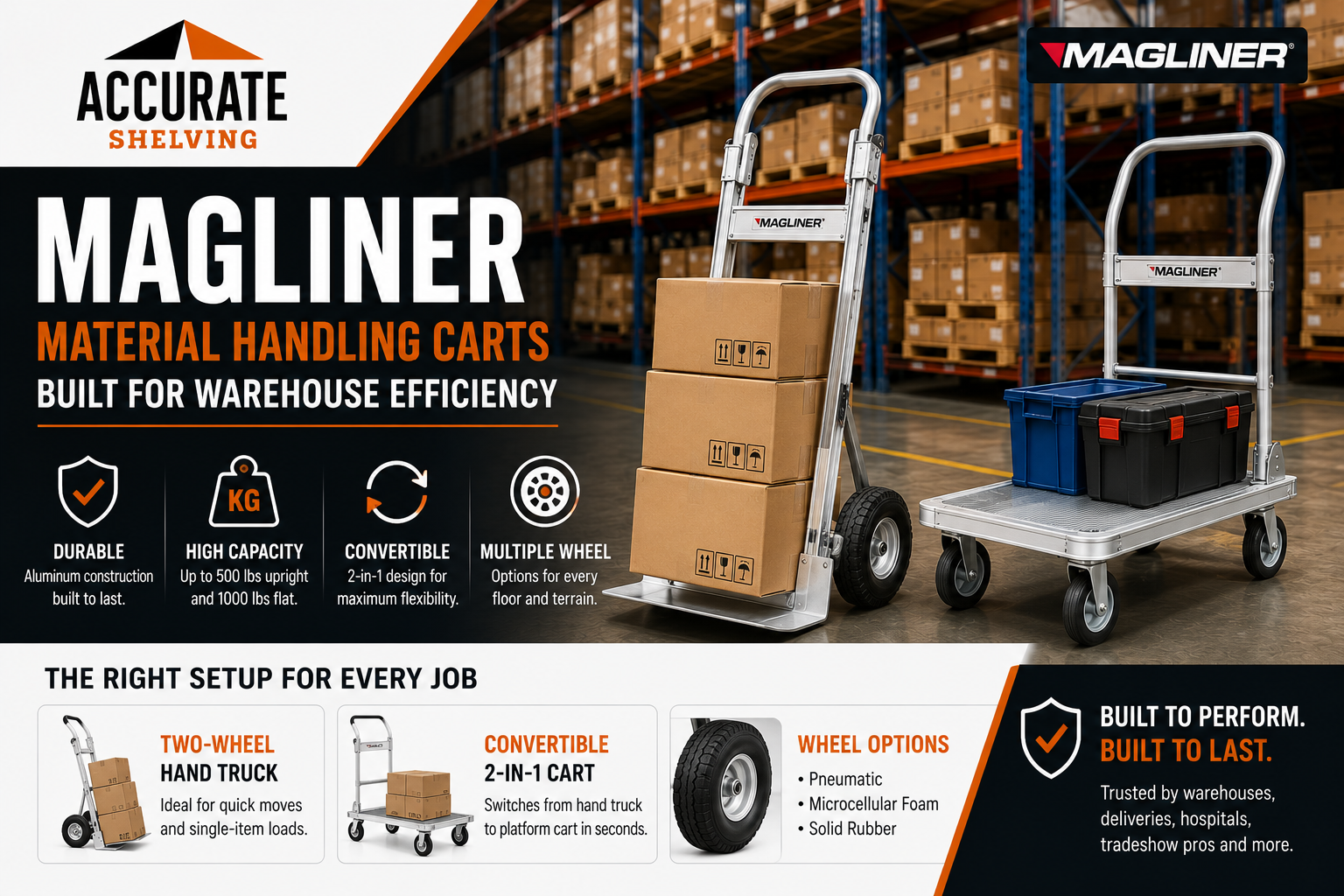
A 2-in-1 convertible model switches from a two-wheel hand truck to a four-wheel platform cart in seconds, supporting up to 500 lbs upright and 1000 lbs flat. This flexibility shows up across a surprisingly wide range of operations, from beverage delivery routes to hospital supply runs to trade show setup, anywhere a single cart needs to handle both quick single-item trips and bulkier multi-item loads on the same shift.
The trade-off is weight: a convertible cart typically runs somewhere around 44 to 45 lbs, noticeably heavier than a basic fixed hand truck, since it’s carrying the hardware for both configurations at once.
Which Wheel Type Should You Choose for Your Floor Conditions?
The wrong wheel choice shows up fast, either in a flat tire or in wasted effort pushing a load that should roll easily.
Pneumatic wheels for rough or uneven surfaces
Air-filled pneumatic wheels absorb impact better on loading docks, gravel, or uneven pavement, at the cost of occasional maintenance if one gets punctured. For outdoor delivery work or facilities with imperfect pavement between buildings, that cushioning is usually worth the small trade-off.
Microcellular foam and solid rubber for indoor floors
Puncture-resistant foam and solid rubber wheels suit smooth warehouse floors where flats aren’t a real concern but consistent rolling resistance matters more. These options also tend to be non-marking, which matters in retail backrooms or facilities with finished concrete floors.
How Much Weight Can a Magliner Actually Carry?
Capacity isn’t a single fixed number. It depends on which configuration the cart is in at the time, a distinction that’s easy to overlook when comparing specs at a glance.
Capacity changes with configuration
The same convertible cart typically carries up to 500 lbs as a two-wheel hand truck and up to 1000 lbs once converted to a four-wheel platform, since the load is distributed differently in each position. Four wheels spread weight across a wider base, which is why the rated capacity roughly doubles the moment the cart lies flat.
Distributed weight matters as much as the rated maximum
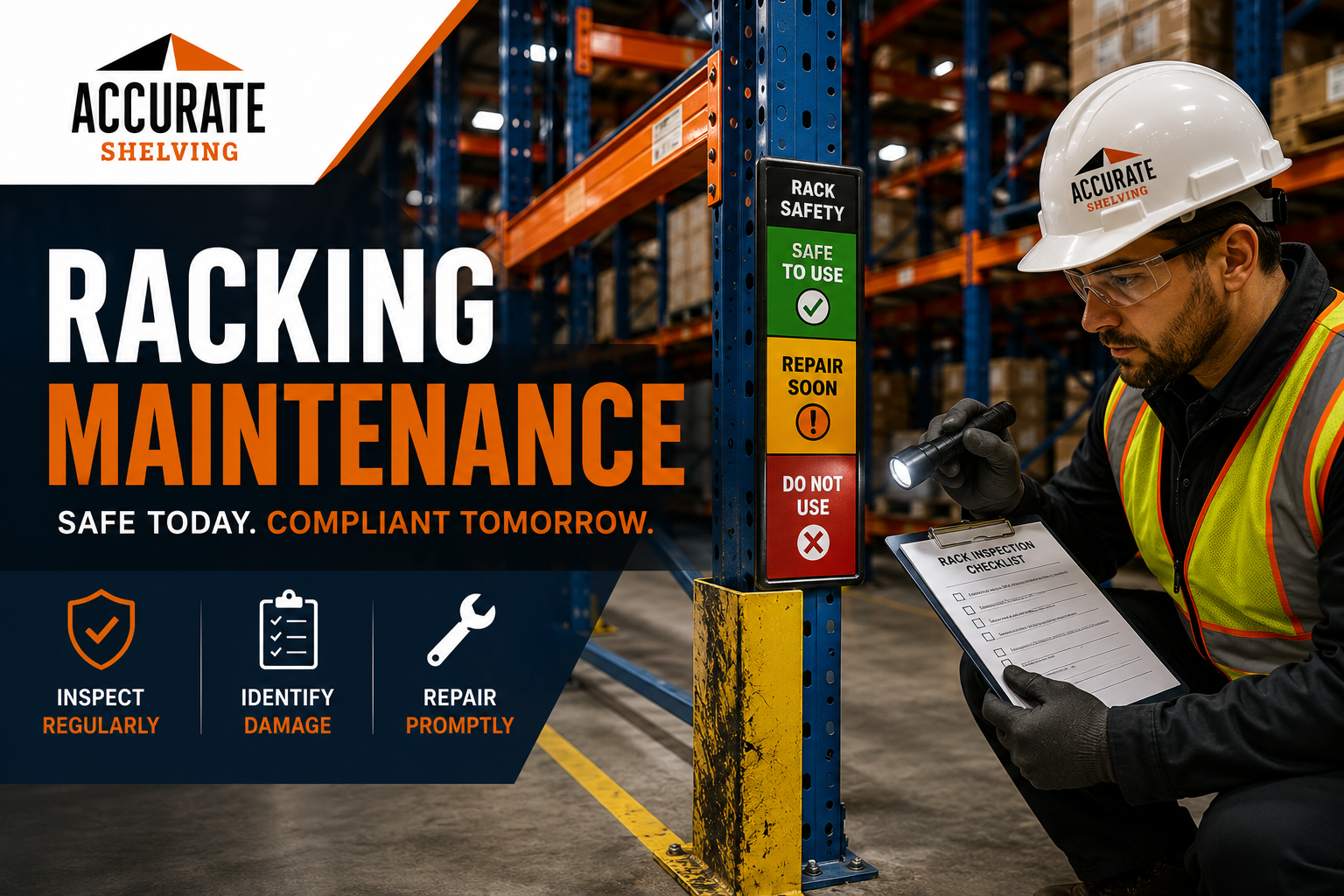
A load spread evenly across the platform performs closer to the rated capacity than the same weight concentrated in one spot, which affects real-world handling more than the number on the spec sheet alone. This is the same principle behind load ratings on pallet racking, a rated capacity always assumes the weight is distributed the way it was tested, not stacked unevenly on one corner.
Can a Magliner Be Customized for Specific Jobs?
One of the real advantages of this design is that the base frame rarely needs replacing, even as the job in front of it changes over time.
Interchangeable nose plates and handles
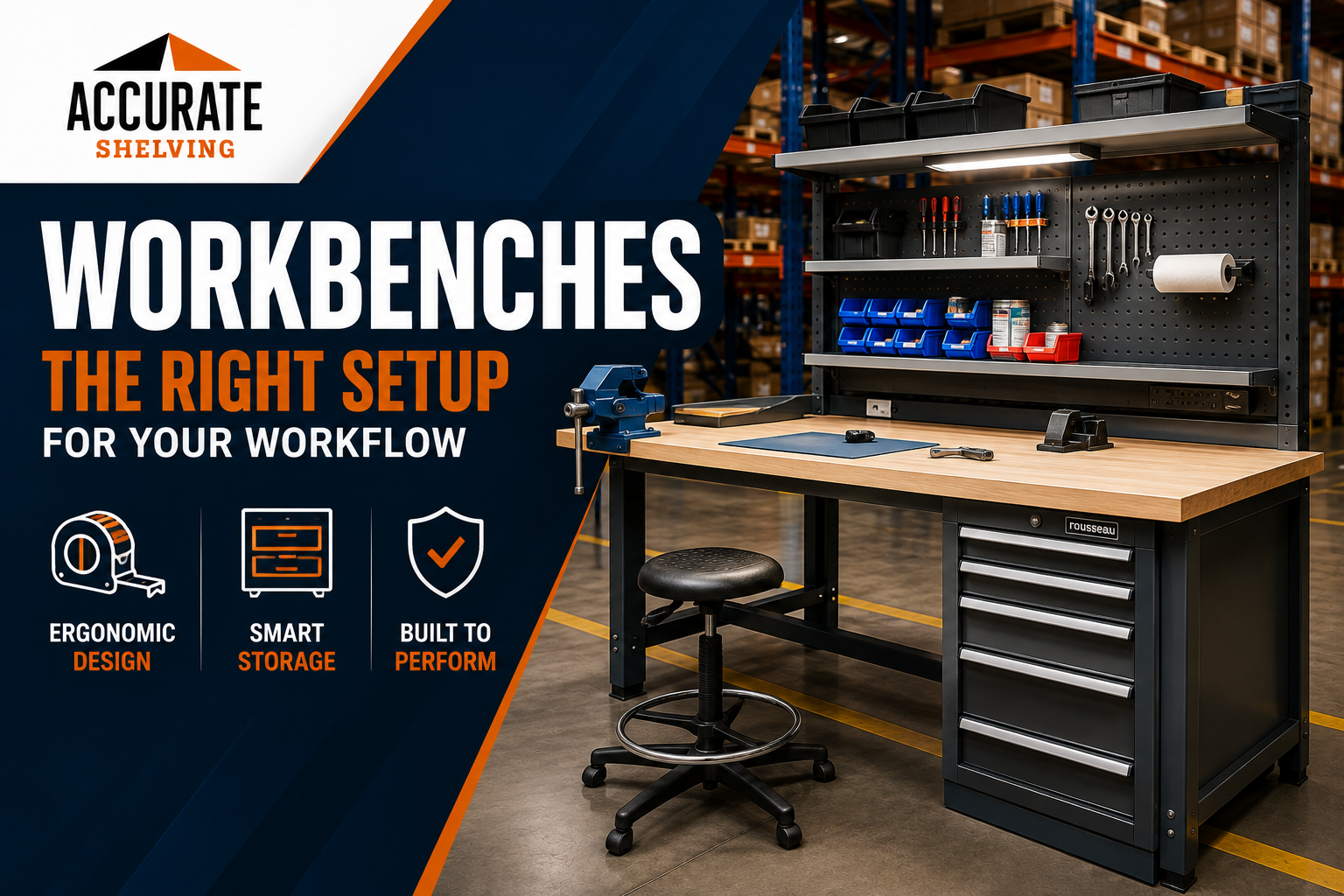
Different nose plate sizes and handle styles let the same frame handle boxes, appliances, or awkward loads without needing an entirely different piece of equipment for each one. This modular approach is the same logic behind configurable workbenches and workstations, one base structure that adapts through interchangeable parts, rather than a fleet of single-purpose equipment for every task.
Stair climbers and caster locks for specific environments
Add-ons like stair climber rails and lockable casters extend a standard cart into environments a basic hand truck wouldn’t otherwise handle well, from multi-level deliveries to securing a loaded cart during a dock wait. Most of these accessories can be added after purchase, so a cart bought for one job can still be adapted later without starting over.
How Does the Right Cart Improve Warehouse Productivity?
Choosing the right setup isn’t just about comfort. It shows up directly in how much gets done across a shift.
Fewer trips means real time saved
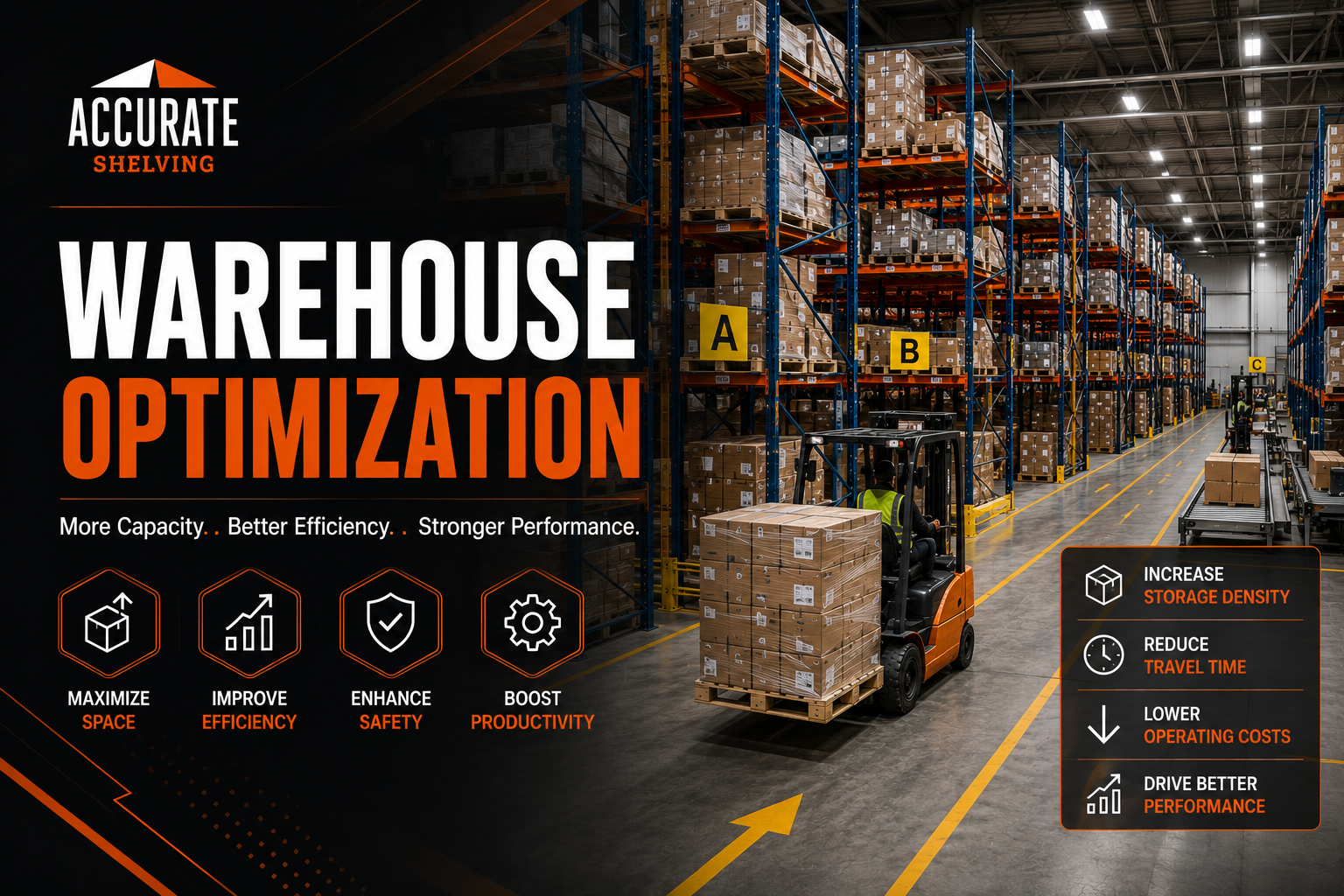
A convertible cart that carries more per trip can save several minutes per stop, adding up to real time saved across a full shift of repeated deliveries or moves between areas. That kind of gain is really the same idea behind good warehouse optimization at a larger scale, cutting unnecessary travel and repeated trips is one of the highest-impact ways to speed up almost any warehouse task, whether it’s picking inventory off a shelf or moving it across a facility by cart.
Less physical strain over a full day
Rolling a load instead of carrying it reduces the physical fatigue that builds up over repeated trips, which matters as much for safety as it does for speed by the end of a shift. Fewer strained backs and tired arms translate directly into fewer missed days and a more consistent pace across a full workweek, not just a faster individual trip.
Getting Your Magliner Setup Right
The right Magliner setup comes down to matching configuration, wheels, and accessories to the actual job, not just picking the first cart on the shelf. A convertible model with the wrong wheels for the floor, or a fixed hand truck doing a job that really needs a platform, will underperform no matter how well built the frame is.
Accurate Shelving has spent over 21 years supplying material handling equipment across Canada, matched to how your warehouse actually operates. Visit our About Us page to learn more, or reach out through Contact Us for a hands-on recommendation on which Magliner setup fits your operation.
Frequently Asked Questions
What’s the difference between a two-wheel and convertible Magliner hand truck?
A two-wheel hand truck is fixed in that position, while a convertible model switches between a two-wheel hand truck and a four-wheel platform cart in seconds.
How much weight can a Magliner convertible cart hold?
Most convertible models carry up to 500 lbs as a two-wheel hand truck and up to 1000 lbs once converted to a four-wheel platform.
What wheel type is best for outdoor or uneven surfaces?
Pneumatic, air-filled wheels generally handle rough or uneven ground better than solid rubber or foam options.
Can accessories be added to a Magliner after purchase?
Yes, nose plates, handles, stair climbers, and caster locks are typically interchangeable and can be added or swapped as needs change.
Why choose aluminum construction over steel for a hand truck?
Aluminum keeps the cart lighter to maneuver throughout a shift without sacrificing the load capacity most warehouse tasks require.