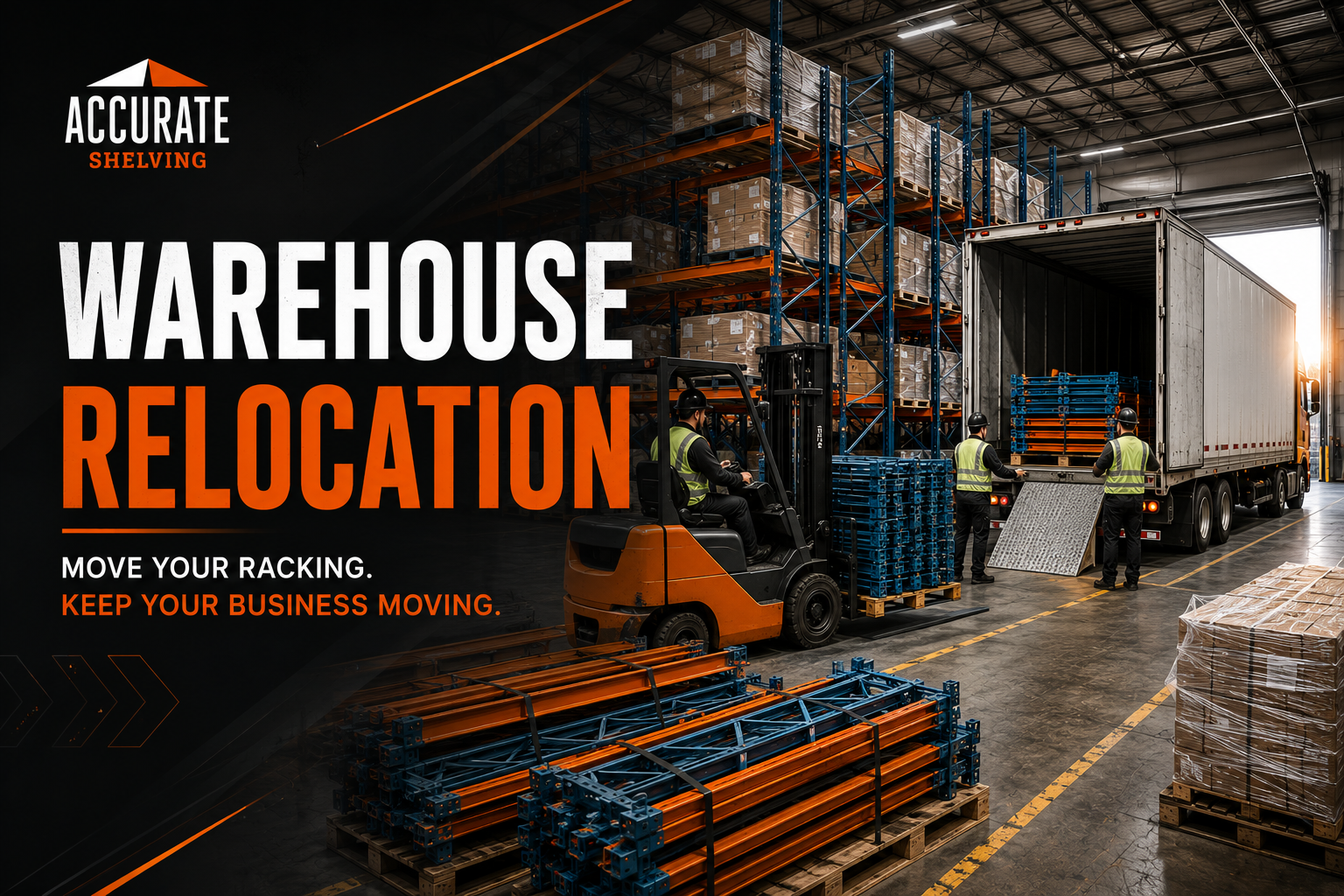
A warehouse relocation isn’t really a moving problem. It just wears one as a disguise. Trucks, boxes, and drivers are the easy part. What actually decides how much time you lose is how carefully the racking gets taken apart, transported, and put back together.
At Accurate Shelving, we’ve handled enough relocations to know the racking is almost always the long pole in the schedule, not the inventory. This guide breaks down how to move racking and storage systems without losing operational time in the process.
What Makes Warehouse Relocation Different from a Standard Office Move?
An office move means packing desks and unplugging monitors. A warehouse relocation means disassembling and rebuilding an entire structural storage system, often while the business is still trying to ship orders.
It’s an equipment project wearing a logistics disguise
Moving a warehouse isn’t just relocating inventory from one building to another. It’s a full teardown and rebuild of the racking, shelving, and material handling equipment that inventory depends on.
The racking, not the boxes, sets your reopening date
Packing product is fast, and most teams already know how to do it. Dismantling, transporting, and reinstalling racking correctly takes far longer, and it’s almost always the step that decides when a warehouse can actually reopen for business.
How Do You Safely Dismantle Racking for a Warehouse Move?
Getting racking down safely is a sequence, not a demolition. Skipping steps here is where most relocation damage and delays actually start.
Assess the system before touching a single bolt
Before any disassembly begins, identify the rack type, locate every anchor point, and check for surrounding hazards like overhead obstructions or nearby sprinkler lines.
Dismantle in the correct sequence
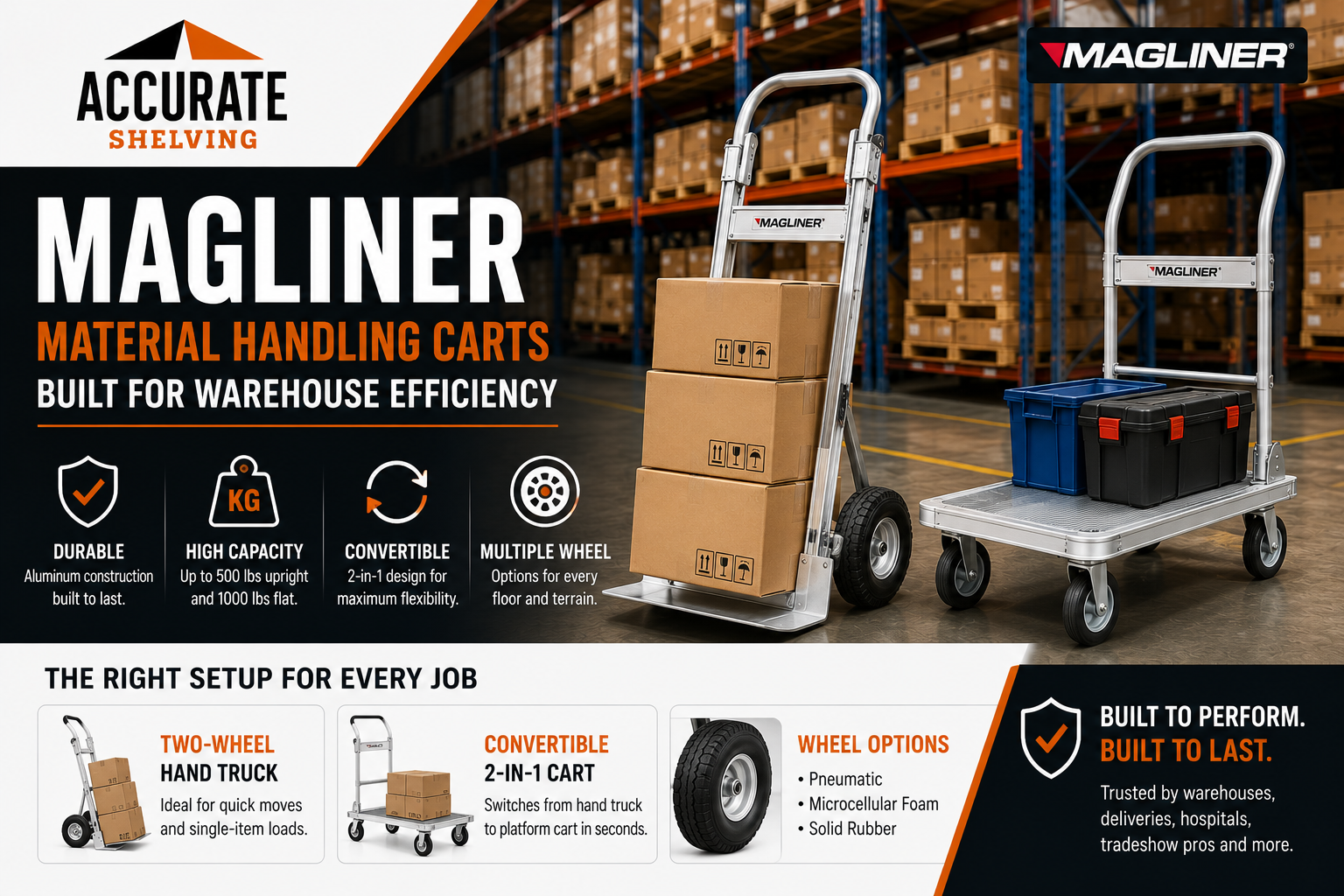
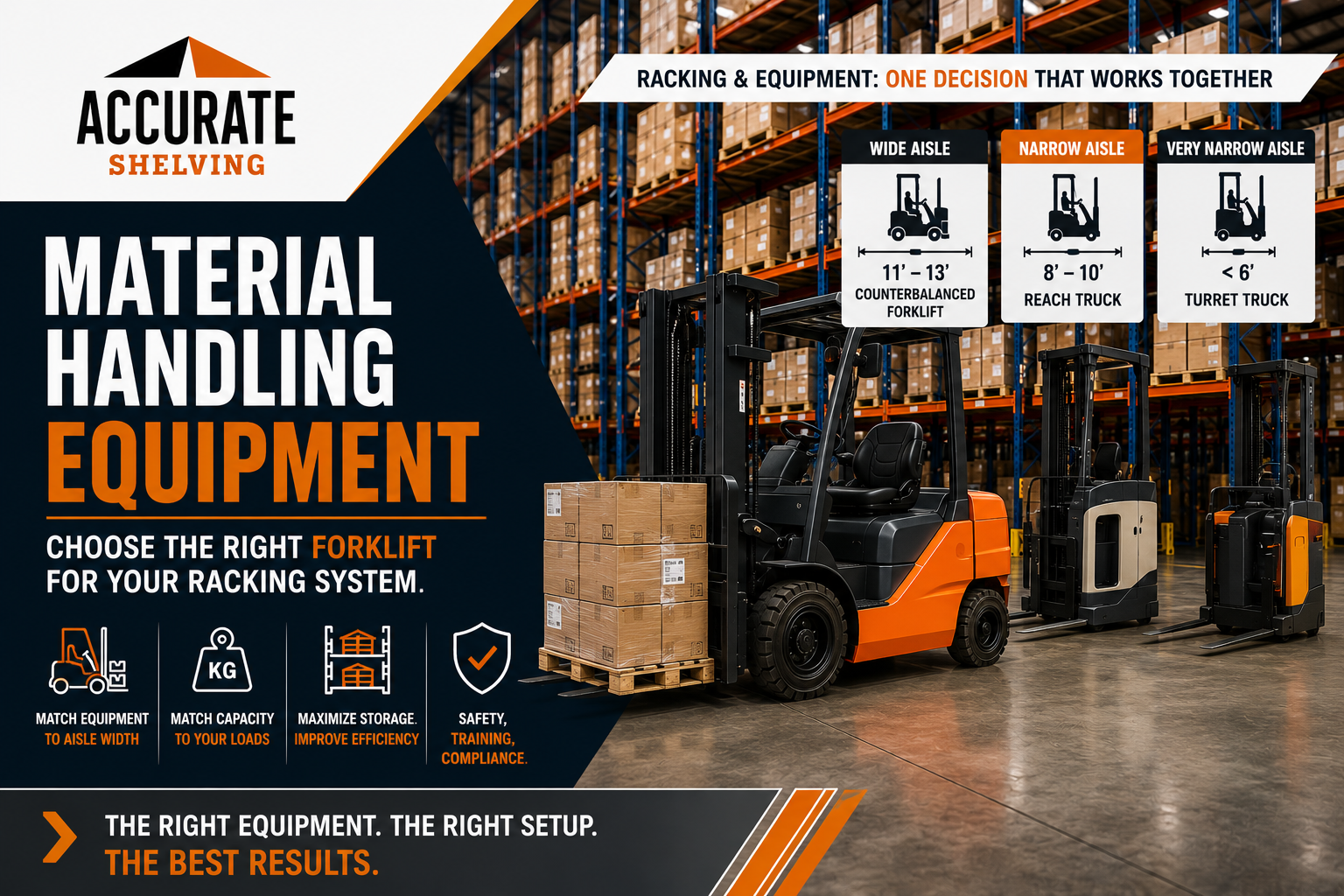
Beams, bracing, and safety accessories come off first, followed by the frames. Working in this order, rather than pulling pieces at random, is what keeps a partially dismantled system from becoming unstable. Moving heavy frames and beams safely also depends on having the right material handling equipment on site, not just extra hands.
Label and organize every component
Consistent labeling of frames, beams, and hardware during teardown is what makes fast, accurate reassembly possible later. A mislabeled batch of components can turn a one-day reinstall into a week of guesswork.
How Do You Minimize Downtime During a Warehouse Relocation?
Downtime is the real cost of a warehouse move, and it’s almost entirely preventable with the right planning.
Understand what downtime actually costs
Depending on the size of the operation, warehouse downtime can run from a few thousand dollars an hour to well over a hundred thousand. That gap alone is why planning the relocation properly is worth the investment.
Keep both facilities operational during the transition
Running the old and new locations simultaneously for a defined window avoids a hard stop in shipping and receiving, even if it means overlapping costs for a short period.
Build in buffer stock for critical items
A stock cushion for fast-moving inventory protects order fulfillment while racking and slower-moving stock are still in transit between facilities.
Should You Relocate Your Warehouse in Phases?
A single all-at-once move concentrates every risk into one weekend. A phased approach spreads that risk out and keeps more of the operation running longer.
Moving slow-movers first protects fast-movers
Relocating lower-velocity inventory and racking sections first keeps high-demand product accessible at the original location for as long as possible.
Interim moves reduce the risk of a single point of failure
Breaking the relocation into stages means one delayed truck or one late permit doesn’t halt the entire operation. Each phase can be validated before the next one starts.
What Should a Warehouse Relocation Plan Actually Include?
A relocation plan is more than a moving date circled on a calendar. It’s the document that keeps every phase of the project accountable.
Start with a full site and inventory assessment
A detailed audit of current inventory, equipment, and the new facility’s dimensions shapes nearly every decision that follows, from racking layout to loading dock scheduling.
Build a realistic, milestone-based timeline
Most well-run relocations start planning three to six months ahead of the move date, with clear phases for pre-move preparation, move week, and post-move validation.
Assign clear ownership for each phase
Naming exactly who manages inventory, who oversees equipment teardown, and who coordinates vendors closes the gaps where most relocation delays actually happen.
What Safety Standards Apply When Reinstalling Racking After a Move?
Reinstallation is where a rushed relocation turns into a long-term safety problem, often one that doesn’t show up until months later.
Frames, beams, and leveling come before anchoring
Reinstallation follows a specific order: frames go up first, beams are installed and leveled, and anchoring always happens last, once everything else is confirmed in position.
Anchoring has to match the new floor, not the old one
Every upright needs to be properly bolted to the new facility’s floor according to manufacturer specifications and local building requirements, not simply replicated from wherever it sat before.
A rushed reinstallation creates hazards that surface later
Issues from incorrect reinstallation, like a bent frame or an under-anchored upright, often don’t show up until the system fails under load, sometimes months after the move is considered finished.
Is Warehouse Relocation a Good Time to Redesign Your Layout?
A relocation forces you to rebuild the racking anyway, which makes it one of the few natural opportunities to fix problems the old layout never let you touch.
A move is a rare chance to fix old inefficiencies
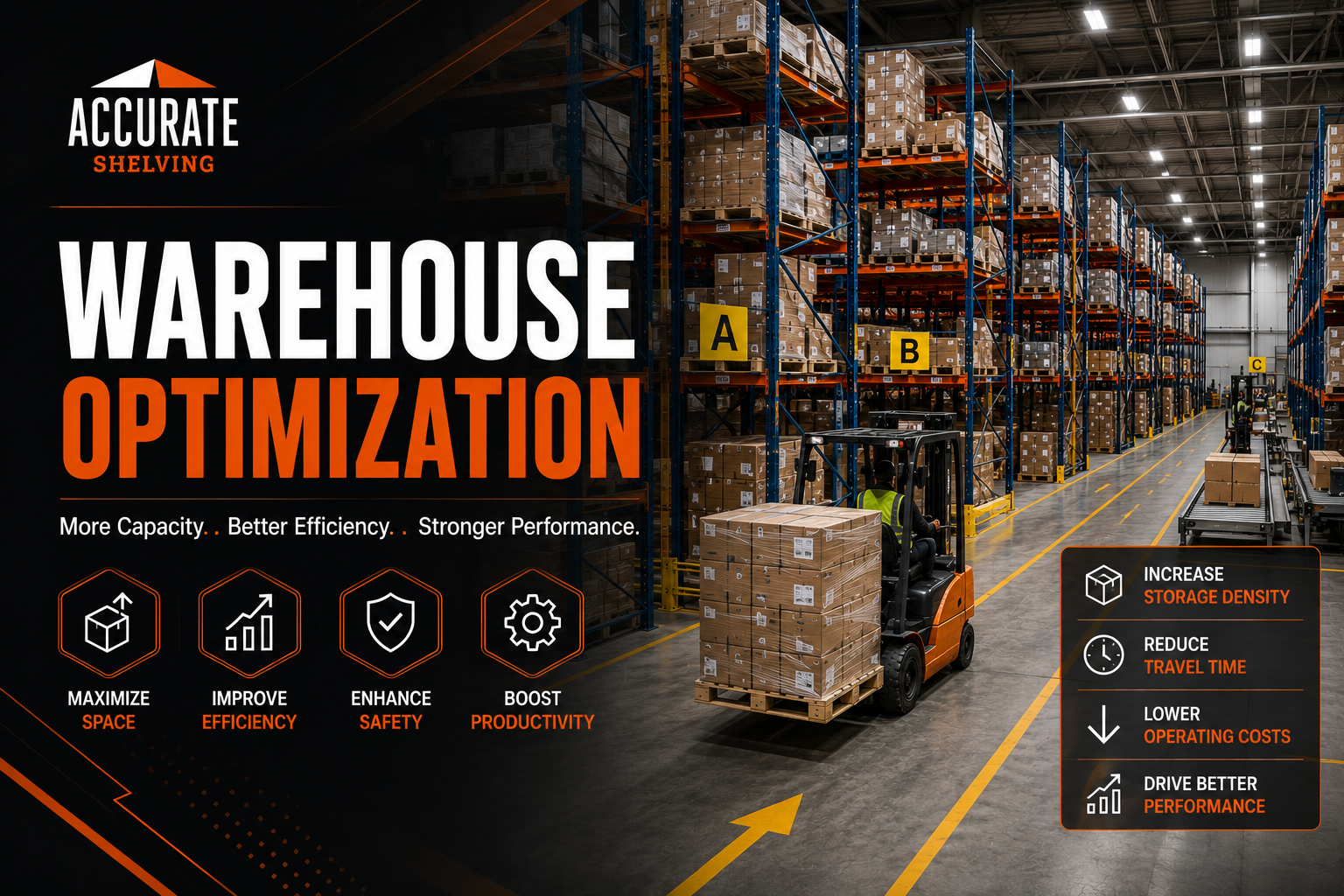
Rather than replicating the old floor plan exactly, relocation offers a genuine opening to correct bottlenecks, reconfigure racking types, and improve flow using the same principles behind good warehouse design. For operations that outgrew their old footprint, it’s also a natural point to consider mezzanines for extra storage or workspace without needing a larger building.
New racking configurations should reflect current inventory
Inventory profiles change over years of operation, so the racking mix at the new facility doesn’t need to mirror the old one system for system. Pushback racking, for example, often replaces older selective-only layouts once density becomes more valuable than individual pallet access.
Getting Your Warehouse Relocation Right
A warehouse relocation succeeds or fails on how the racking is handled, not on how many trucks show up on move day. The teardown sequence, the labeling, the reinstallation, and the anchoring all matter more than the logistics most moving checklists focus on.
Accurate Shelving has spent over 21 years supplying, installing, and now relocating racking systems across Canada, which means the same expertise that designs a system also knows how to safely take it apart and rebuild it. Visit our About Us page to learn more, or reach out through Contact Us for a hands-on warehouse relocation assessment for your racking and storage systems.