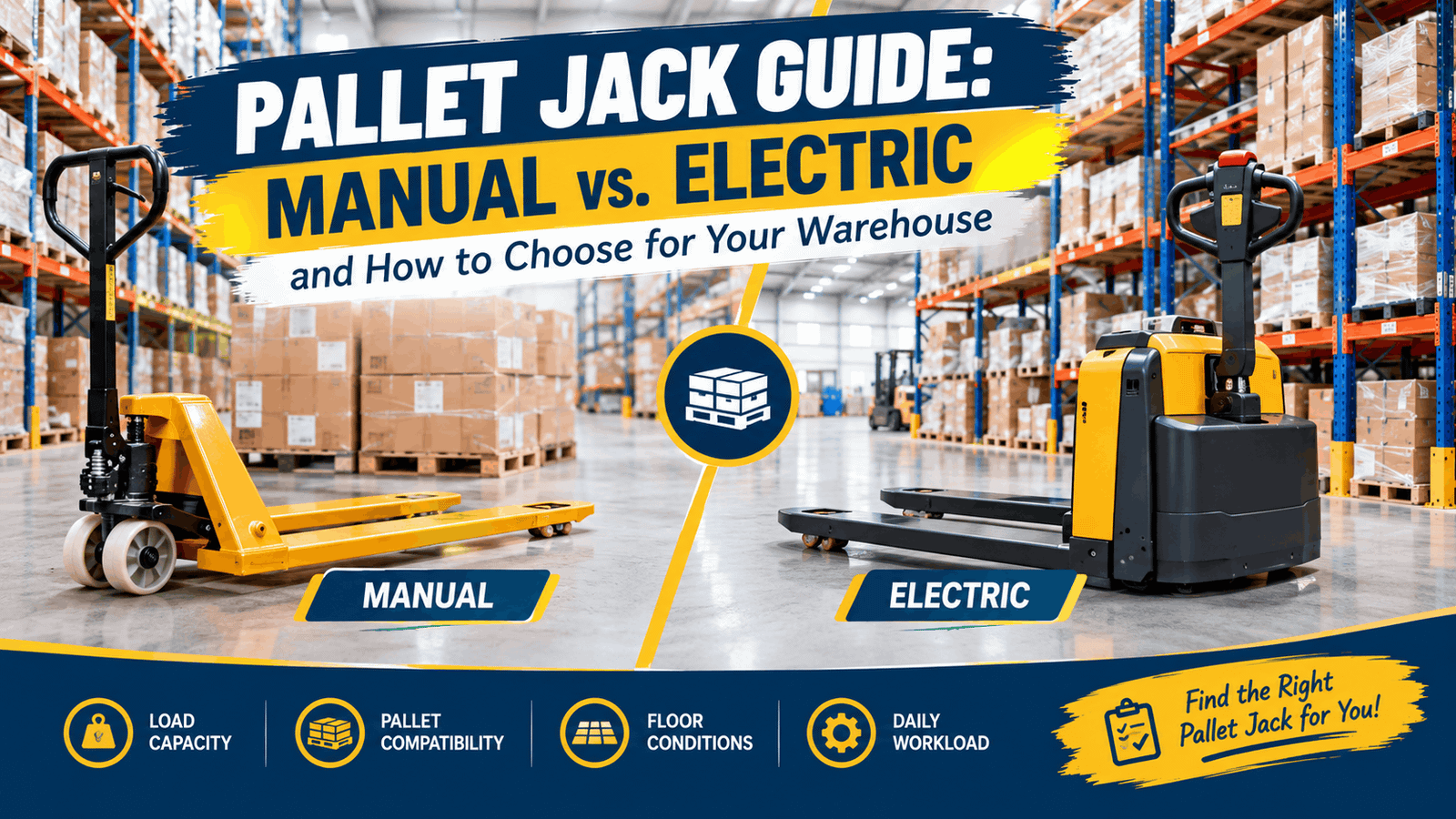
A manual pallet jack can suit occasional moves over short distances on suitable floors. An electric pallet jack can reduce operator effort when pallet movement becomes frequent or routes get longer. The right choice depends on your loads, pallets, floor conditions and daily workload.
At Accurate Shelving, we help businesses match equipment to the way their warehouses operate. Our manual and powered pallet trucks support different handling requirements, including standard, low-profile and scale-equipped applications.
Before choosing equipment, consider the complete journey from picking up a pallet to setting it down. A suitable capacity rating is only one part of that decision.
What Is a Pallet Jack and What Does It Do?
A pallet jack, also called a pallet truck or pump truck, lifts a compatible pallet just clear of the floor for horizontal movement. Warehouses commonly use them to move goods between receiving, staging, storage and shipping areas.
A standard low-lift pallet jack cannot place pallets onto elevated rack levels. That requires equipment designed for the necessary lift height, load and application.
Pallet jacks also serve a different purpose from equipment used for individual cartons or furniture. Our hand truck vs. dolly comparison explains those options when your load is not palletized.
What Is the Difference Between a Manual and an Electric Pallet Jack?
The main difference is how the equipment lifts and moves the load. Manual models rely on operator effort, while powered models provide motor-assisted functions. Check the individual specification because powered travel and powered lifting are not always supplied together.
How Does a Manual Pallet Jack Work?
The operator pumps the handle to raise the forks hydraulically, then supplies the force needed to move and steer the pallet truck.
A manual pallet jack needs no battery charging and has fewer powered components to maintain. However, starting, turning and stopping a loaded unit still require physical effort.
How Does an Electric Pallet Jack Work?
An electric pallet jack uses battery power for travel, with powered lifting available on many models. Walk-behind units allow the operator to guide the truck using its control handle; other configurations include operator platforms.
Powered travel can make repetitive handling less demanding, but it introduces charging, servicing and operating requirements. Electric does not automatically mean higher capacity or a better fit for every warehouse.
When Is a Manual Pallet Jack the Better Choice?
A manual pallet truck can be practical when moves are occasional, distances are short and the operating surface suits the equipment. Its suitability depends on the complete task, rather than warehouse size alone.
When Does Manual Handling Make Sense?
Consider a stockroom receiving a few pallet deliveries and moving them to a nearby staging area. A compatible manual jack may handle that work without adding charging arrangements or powered equipment to the operation. It can also serve as supplementary equipment for suitable short moves within a larger facility.
What Are Its Limitations?
A pallet may fall within the jack’s rated capacity and still be difficult to move manually. Repeated trips, tight corners, damaged wheels and uneven flooring can increase the force required.
CCOHS identifies load, aisle space, ramps and floor conditions among the factors affecting pushing and pulling demands. Capacity alone does not establish whether a task is manageable.
When Should You Consider an Electric Pallet Jack?
Consider powered equipment when frequent movement or longer routes create excessive manual effort. Assess the task over a full shift, including loaded travel, empty return trips and time spent manoeuvring.
When Can Powered Travel Help?
An electric pallet truck may suit repeated movement between receiving and staging, regular replenishment routes or frequent pallet transfers across a facility.
It can reduce the effort needed to move loads, although operators still need suitable visibility, stopping space and control of the route.
What Trade-Offs Should You Expect?
Powered equipment requires battery charging and maintenance of electrical, drive and braking components. Its dimensions and turning characteristics must suit your working space.
Battery runtime varies with the model, load, usage and operating environment. Confirm charging requirements with the supplier rather than assuming every unit will cover a full shift.
Slopes, dock plates and trailer access also need specific assessment. Buying an electric model does not automatically make a difficult route suitable.
How Do You Choose the Right Pallet Jack for Your Warehouse?
Start with your actual pallets and handling route. Then compare equipment specifications against the heaviest load, available space and expected workload.
Check the Total Load and Rated Capacity
Include the pallet, goods and any additional packaging when establishing load weight. Confirm that the equipment is suitable for the load’s dimensions, distribution and handling conditions.
Compare individual models instead of assuming all manual or electric pallet jacks have similar capacities.
Match the Forks to Your Pallets
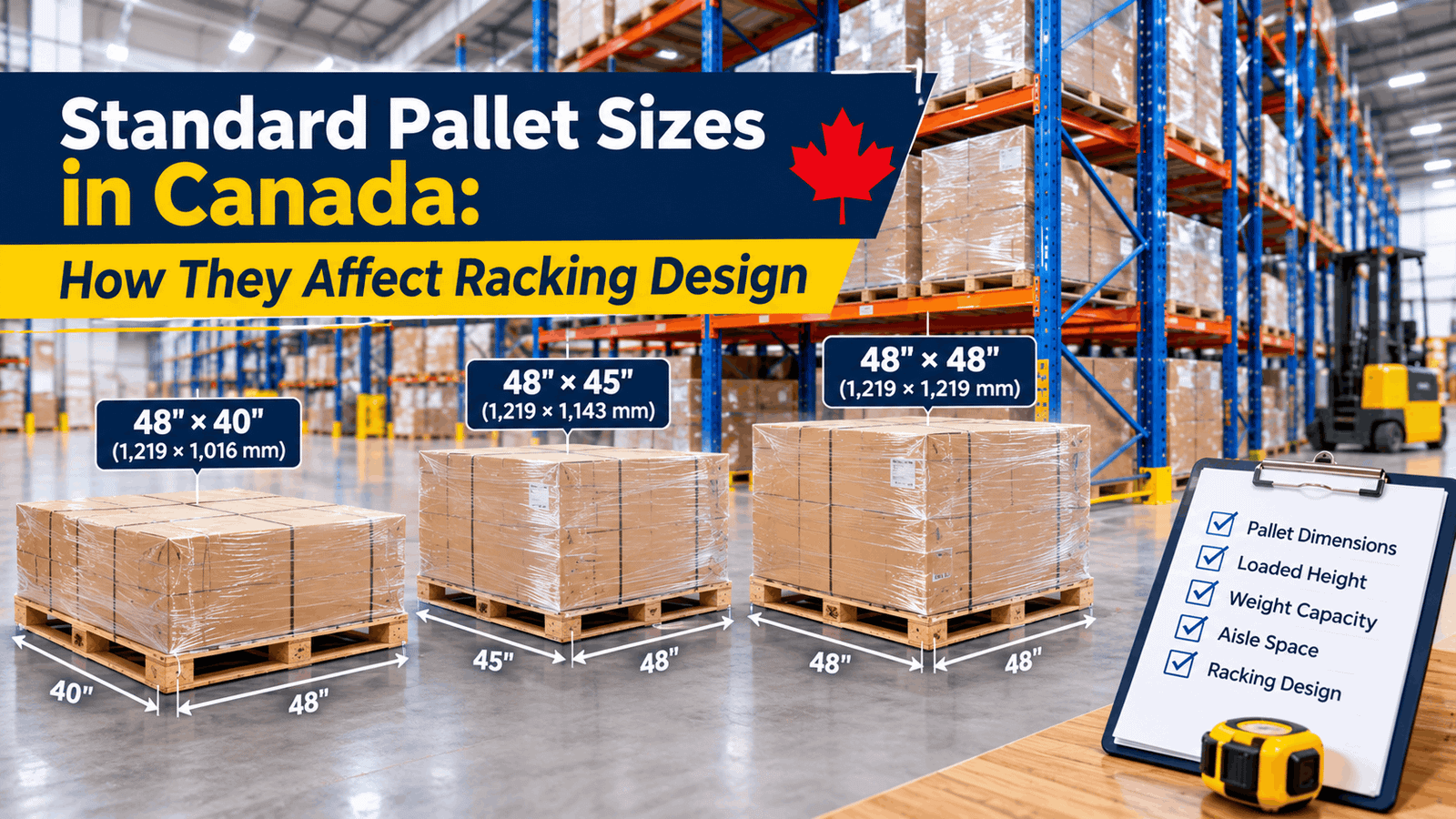
Check fork length, overall fork width, lowered fork height and pallet entry openings. The forks and load wheels must work with the pallet’s construction.
Low-profile pallets or unusual sizes may need a different configuration. Give your supplier pallet measurements and photographs rather than relying on the description “standard pallet.”
Review Floors, Corners and Clearances
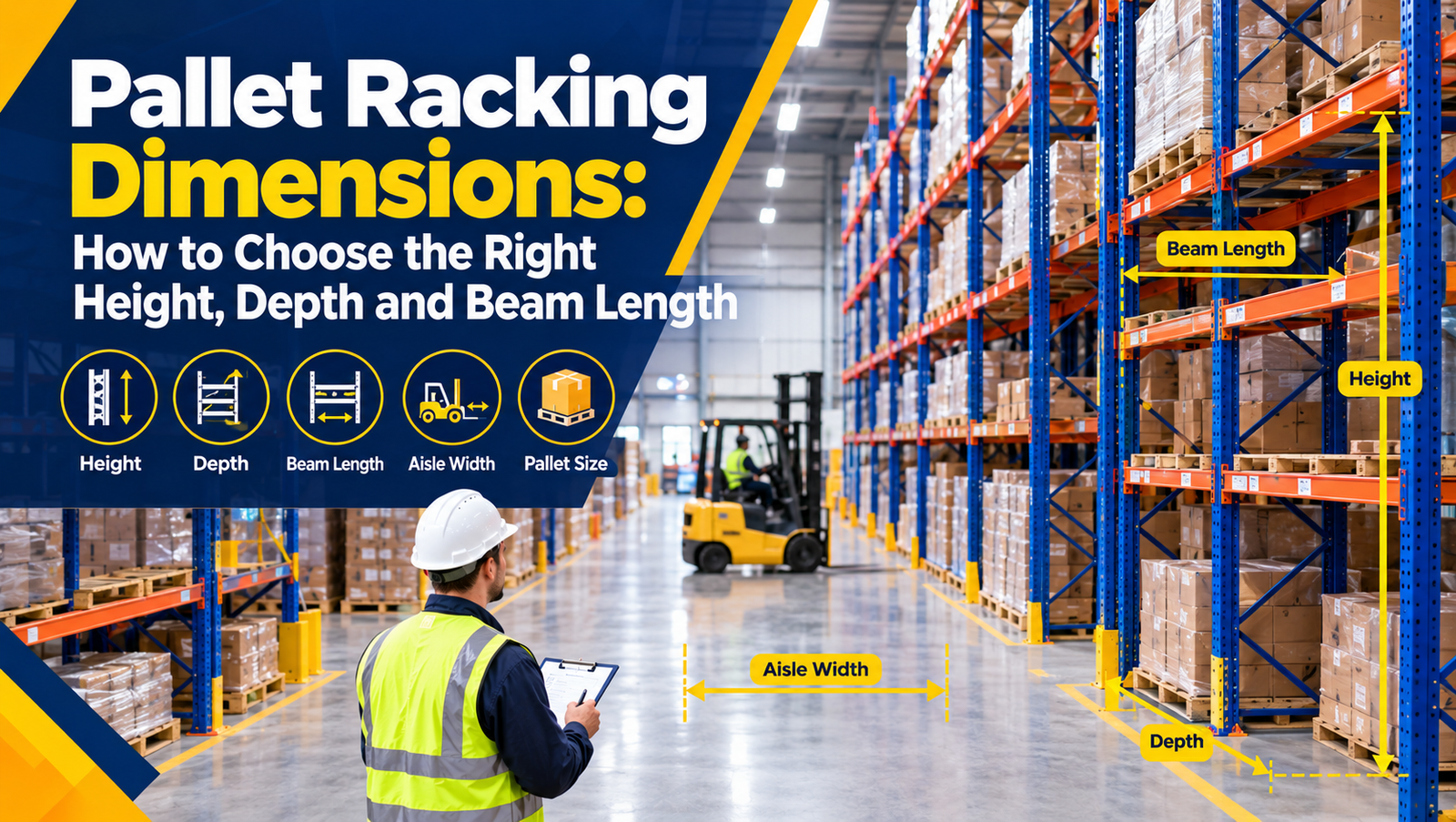
Measure doorways, aisles and turning areas with the loaded pallet in mind. Include the operator’s working space and any load overhang.
Check thresholds, floor joints and dock transitions along the complete route. Wheel selection should suit the surface and working environment.
Consider Workload and Support
Record how frequently pallets move and how far each trip travels. A short, occasional movement presents different demands from repeated transfers throughout the day.
Ask about replacement wheels, service access, maintenance requirements and battery support where applicable. Equipment that fits the task also needs support after purchase.
How Do Pallet Jacks Fit Into Your Warehouse Layout?
Pallet jacks work best when receiving, staging and dispatch areas connect through clear, suitable routes. Even well-chosen equipment becomes awkward when pallets block corners or pedestrian traffic crosses handling areas without proper controls.
Good warehouse layout planning considers the equipment, loaded pallet and operator together. Review where loads wait, where trucks turn and how workers reach nearby stock.
Keep floor-level transport requirements separate from elevated storage requirements. Your pallet truck and rack-loading equipment may perform different roles within the same workflow.
What Safety and Maintenance Checks Matter?
Reliable operation starts with suitable equipment, trained operators and checks appropriate to the model and workplace. Follow the manufacturer’s instructions and the employer’s procedures.
What Should Operators Check Before Use?
Look for damaged forks, worn wheels, leaks, loose components and problems with lifting or lowering. Powered models also require checks of relevant controls, brakes, warning devices and battery condition.
Report defects and remove unsafe equipment from use until assessed. Keep routes clear and maintain appropriate separation from pedestrians.
What Training Is Needed in Ontario?
Operators need instruction appropriate to the equipment and workplace hazards. Ontario’s powered lift truck guidance addresses operator competence, including demonstrated operating skills; a course certificate alone does not establish suitability for every task.
Manual equipment also requires instruction on load handling, control and the hazards along its route.
Which Pallet Jack Is Right for Your Warehouse?
A manual pallet jack can remain a useful choice for suitable short, occasional moves. An electric model deserves consideration when repeated handling or longer journeys increase operator effort.
Some facilities benefit from both, assigning each to appropriate tasks. Choose by the work involved rather than upgrading simply because the warehouse is growing.
Share your pallet dimensions, load weights, daily usage and route conditions with Accurate Shelving. We can help you assess suitable material handling equipment around those requirements.
What Else Should You Know About Pallet Jacks?
These common questions can help you narrow the choice before discussing specific equipment.
How Much Weight Can a Pallet Jack Lift?
Capacity varies by model. Check the equipment’s rating and confirm that the load and operating conditions meet its specifications.
Can an Electric Pallet Jack Load Warehouse Racking?
A standard low-lift model is designed for horizontal transport. Elevated rack loading requires equipment designed for that height and application.
Do You Need Training to Use an Electric Pallet Jack?
Operators need appropriate instruction and competence for the equipment and workplace. Confirm applicable Ontario requirements and employer procedures.
What Size Pallet Jack Do I Need?
Match fork dimensions and lowered height to the pallet’s construction, then check capacity, turning space and the complete handling route.
Can You Use a Pallet Jack on a Ramp?
Only where the specific equipment and operating procedures permit it. Confirm limits with the manufacturer; powered travel alone does not establish ramp suitability.